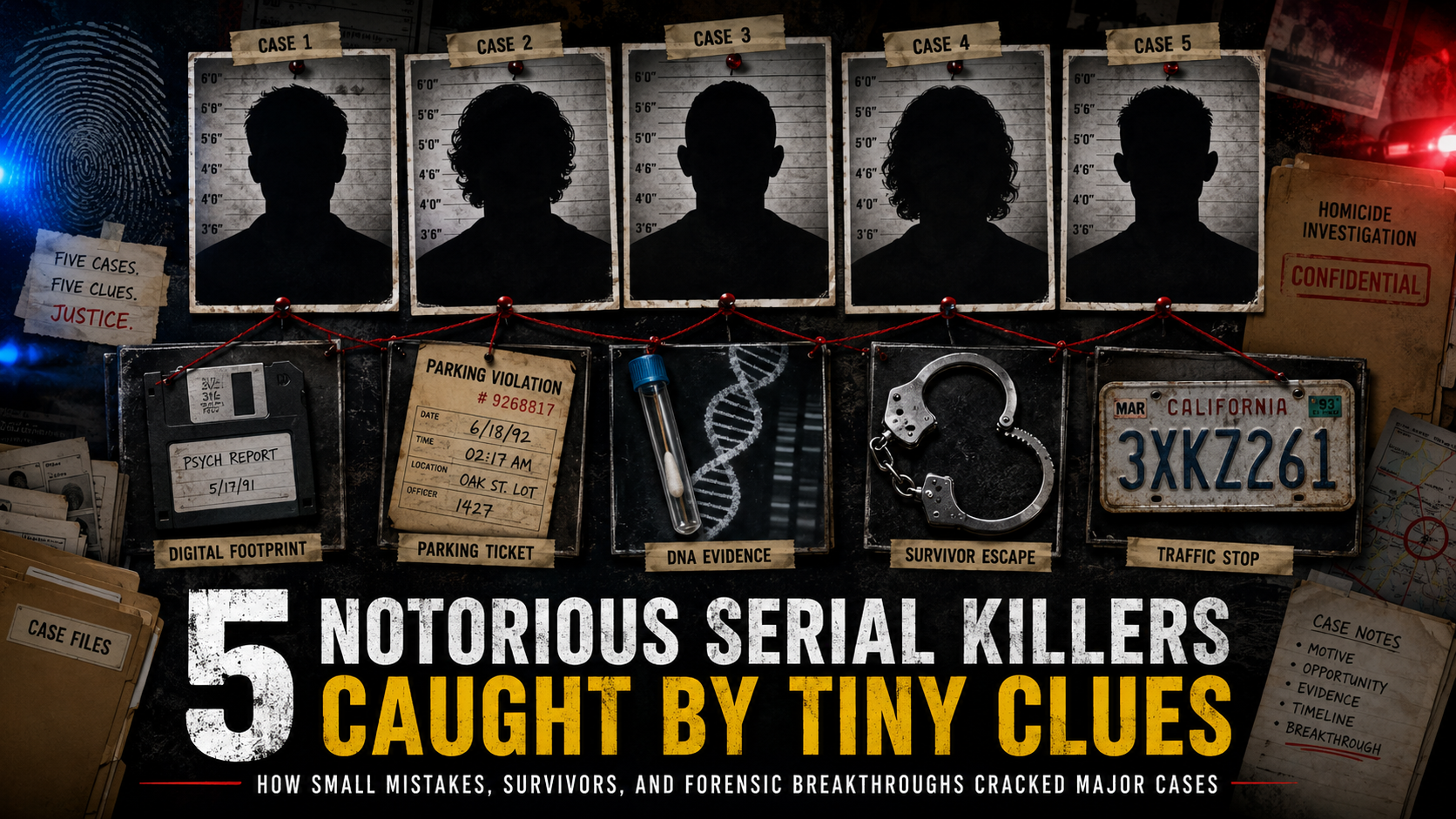
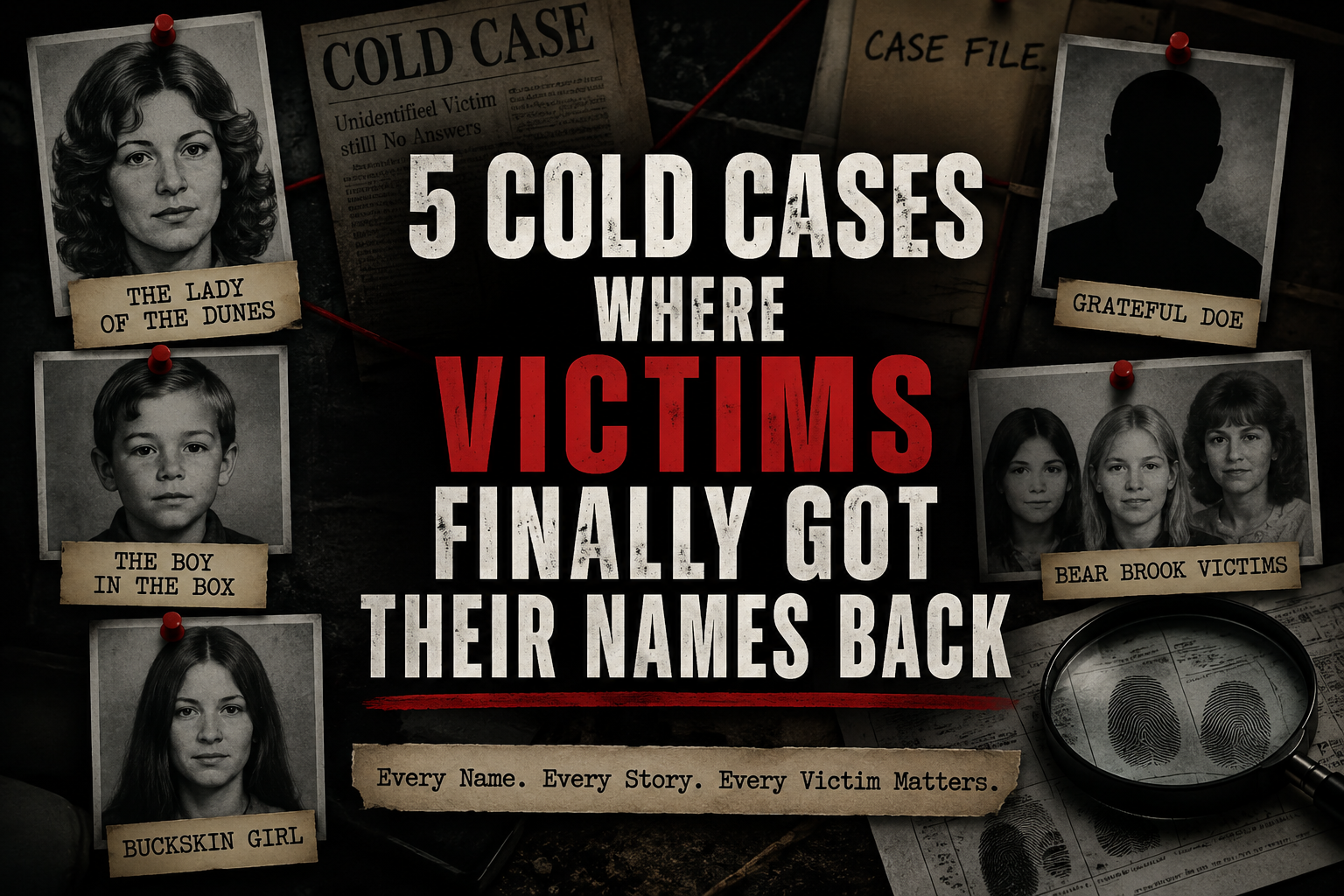
There’s something oddly comforting about true crime stories. Not because they make us feel safe, but because they remind us that even in the darkest corners of humanity, there is a story waiting to be told. These aren’t just tales of violence or betrayal; they’re snapshots of lives lost in the spaces between logic and emotion. They ask questions that no textbook can answer: What makes someone choose cruelty? How do ordinary people become extraordinary in their choices? And why do we keep coming back for more?
Take the case of a small town where a local schoolteacher vanished without a trace. The media painted it as a missing-person mystery, but beneath the headlines lay something deeper—a community grappling with its own secrets. We follow these stories not just out of curiosity, but because they mirror our own uncertainties. In every true crime narrative, there’s an echo of ourselves—our fears, our moral compasses, and the thin line between right and wrong.
True crime has a way of pulling us into the unknown, yet offering clarity in the process. It doesn’t give us answers, but it does help us understand the weight of uncertainty. When we listen to a podcast about a decades-old murder, or read a book that reimagines a cold case, we’re not just consuming content—we’re engaging in a kind of emotional archaeology. We dig through layers of time, piecing together fragments of truth from broken testimonies and forgotten records. This isn't passive entertainment; it's a form of collective storytelling that lets us confront the messy, complicated parts of life.
But there’s another layer to this fascination. True crime often reveals how fragile human memory is. A single detail can change everything—a misplaced comma, a misheard word, or a moment of doubt. These stories remind us that even when we think we know something, we might be missing half the picture. They challenge our assumptions about justice, guilt, and innocence. In a world where facts are often contested, true crime becomes a space where people try to make sense of things—sometimes with surprising results.
Yet, for all its intrigue, true crime also has a quiet power: it can open doors to empathy. When we hear about someone who was wrongfully accused, or a victim whose story was buried under years of silence, we’re invited to see beyond the surface. These narratives don’t just inform—they transform. They push us to ask not only what happened but why it matters. And in doing so, they help us reflect on our own values, choices, and place in the world.
There’s no one-size-fits-all answer to why we love true crime. Some of us seek closure; others are drawn by the thrill of the unknown. But regardless of our reasons, these stories have a way of connecting us—to each other, to history, and to the complexities of being alive. They remind us that every life is a story, and sometimes, the most powerful ones are the ones we never expected to find.