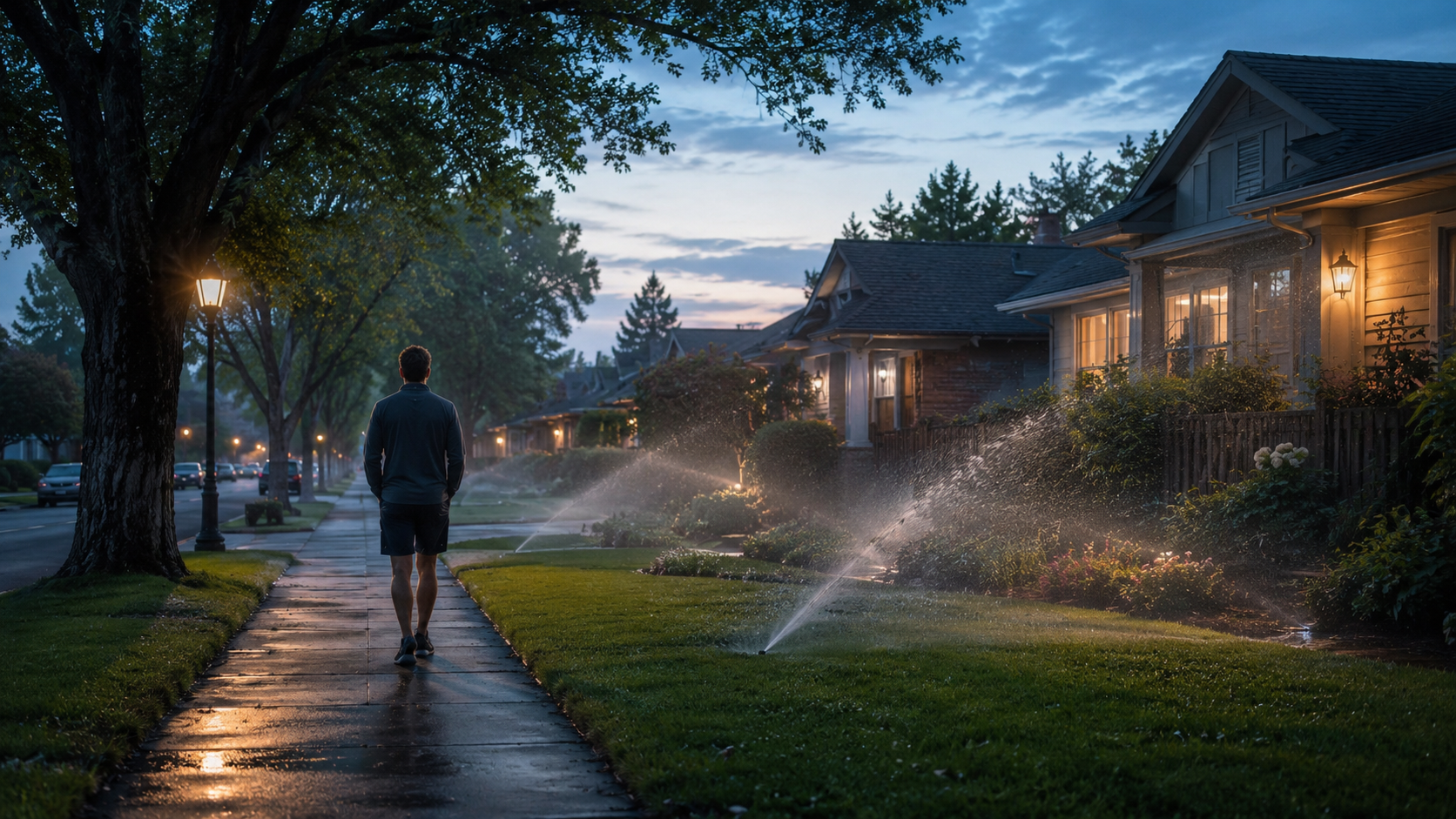
Imagine walking through your neighborhood on a crisp autumn morning, and instead of rushing past the trees, you pause to notice the scent of clover drifting from the cracks between pavement. You might catch yourself wondering if that patch of dandelions growing near the trash bins is safe to eat—or even edible at all. This is the world of urban foraging, where curiosity turns into discovery, and every corner of the city becomes a potential source of nourishment.
Urban foraging isn’t exactly new; it’s been part of human history since the first cities emerged. But in today’s fast-paced urban environments, it has found a new rhythm—a way for people to slow down, look closer, and reclaim a sense of connection with the land. Whether it's harvesting wild garlic from a park or gathering blackberries from a neglected lot, these acts are less about survival and more about sustainability, mindfulness, and a deeper relationship with the environment.
For many, foraging is an invitation to explore their surroundings in unexpected ways. A lunch break might turn into a walk through the neighborhood, eyes scanning for signs of edible plants. Some foragers keep journals, noting which spots yield the best results and how the landscape changes with the seasons. Others form small communities, sharing tips on identifying safe foods and avoiding common pitfalls. It’s like a scavenger hunt, but one that rewards attention to detail and respect for nature.
The benefits of urban foraging extend beyond just food. It encourages physical activity, fosters creativity, and can even lead to meaningful interactions with fellow foragers who share a passion for discovery. For those living in cities where fresh produce isn’t always accessible, foraging offers a way to nourish both body and spirit using what’s right underfoot.
But it's not without its risks. Misidentifying a plant can have serious consequences—some species look similar yet are toxic or harmful. There's also the issue of legality: while many parks allow foraging, others prohibit it entirely, especially when it comes to protected areas or private property. And then there’s the question of contamination: litter, chemicals, and pollutants can linger in unexpected places, making some foraged items unsafe to eat.
Despite these challenges, the practice continues to thrive, fueled by a growing interest in sustainability and self-sufficiency. Many foragers view their activities as a form of environmental activism, advocating for better urban planning that includes green spaces and more access to natural resources. They argue that by engaging with the land, even in small ways, we become more aware of our impact—and more responsible stewards of the environment.
For those new to the idea, starting small is key. A few trusted guides, a good field guide, and a willingness to learn can turn a casual walk into a meaningful experience. Some cities even offer workshops on foraging basics, where beginners can ask questions, share stories, and gain confidence in identifying edible plants.
Ultimately, urban foraging is about finding joy in the everyday. It’s about noticing the world around you and realizing how much it has to offer—especially if you’re willing to look beyond the obvious. Whether you're harvesting wild greens or simply learning to see your city differently, there's something rewarding in every step taken toward reconnection with nature.